I have done some videos to explain the next stages of the Queen rearing process. There were 8 Queen cells and I managed to harvest 7 of them. Ideally, I would have liked the cells to have been riper and going brown at the tips. Bees raising Queen cells in a large box start them at different times so these Queen cells will all be at different stages of their development.
With the second round of Queen rearing the Queen cells should all be roughly about the same age as the bees in this hive will have no other choice but to make Queens on the frame of brood taken from the hive next door. As the frame of brood and eggs was placed in this big colony on the 10th of May the Queen cells should be hatching on the 21st if 2-day old larvae were used by the bees to make Queens. These Queen cells will be going brown at the tip if about to hatch. Any that are not like this will probably hatch two or three days later as the bees will have started them on larvae that hatched a day or two after the frame of brood was placed in the hive.
As I say on the videos I would not attempt this whole process, which is quite invasive, unless I had help at this stage with the harvesting of Queen cells. There is quite a bit of skill in loading up the apidea mating hives correctly and I have chosen to do this on the same day as the harvesting of Queen cells ; mainly because I have an out apiary and it is easier to do everything at the same time.
So, the process starts with the apidea mating hives. If you are interested only in the Queen rearing process you can skip this section but it is all part of the process and unless you can use these mini mating hives correctly, it will be difficult to get a mated Queen.
Cut up foundation and add strips to the frames in the mating hive. I use wax from a beeswax candle to secure the strip to the plastic frame. Place fondant in the feeder of the mating hive. Make sure the hole for the introduction of the Queen cell is aligned with the frames so you can actually introduce your Queen cell. Once you have harvested your bees and then want to introduce your Queen cell it won’t be possible to dismantle the apidea with bees inside in order to readjust the frames.
Photo 1: Frames incorrectly aligned for the introduction of a Queen cell
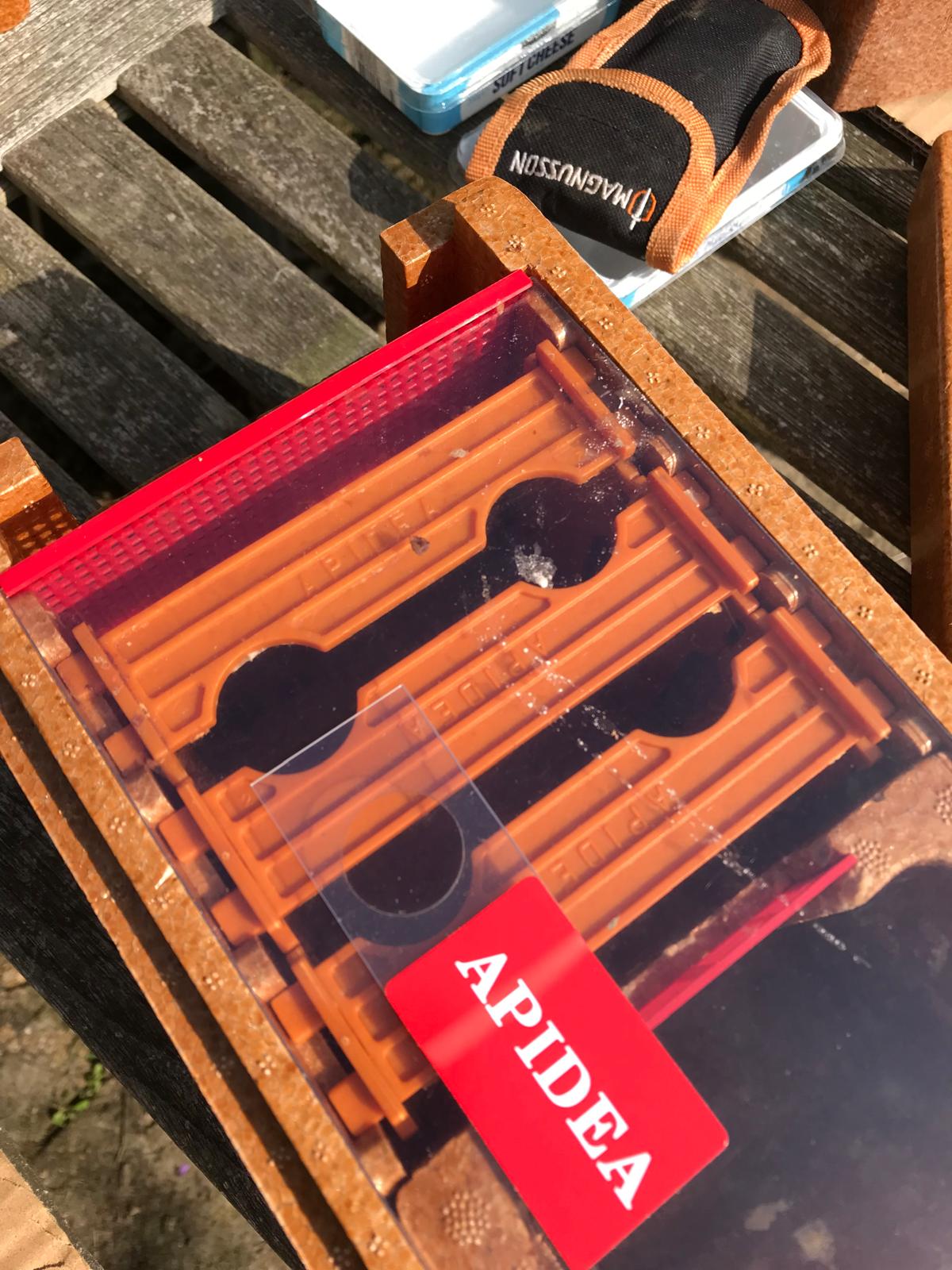
Photo 2: Frames correctly aligned for the introduction of a Queen cell.
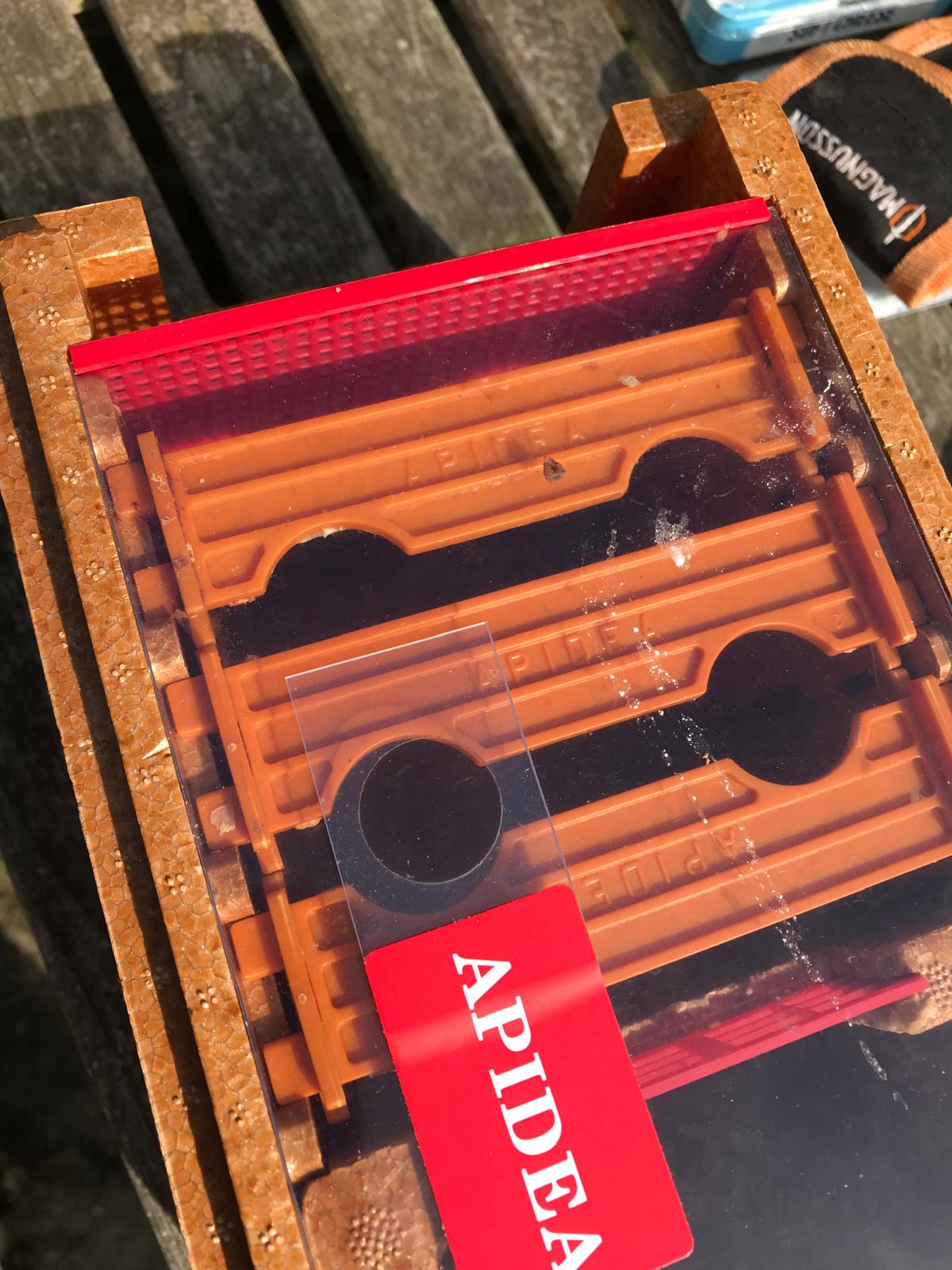
Photo 3: A makeshift repair on an apidea so a flap covers the hole - this prevents the bees climbing out while you are trying to introduce your Queen cell.
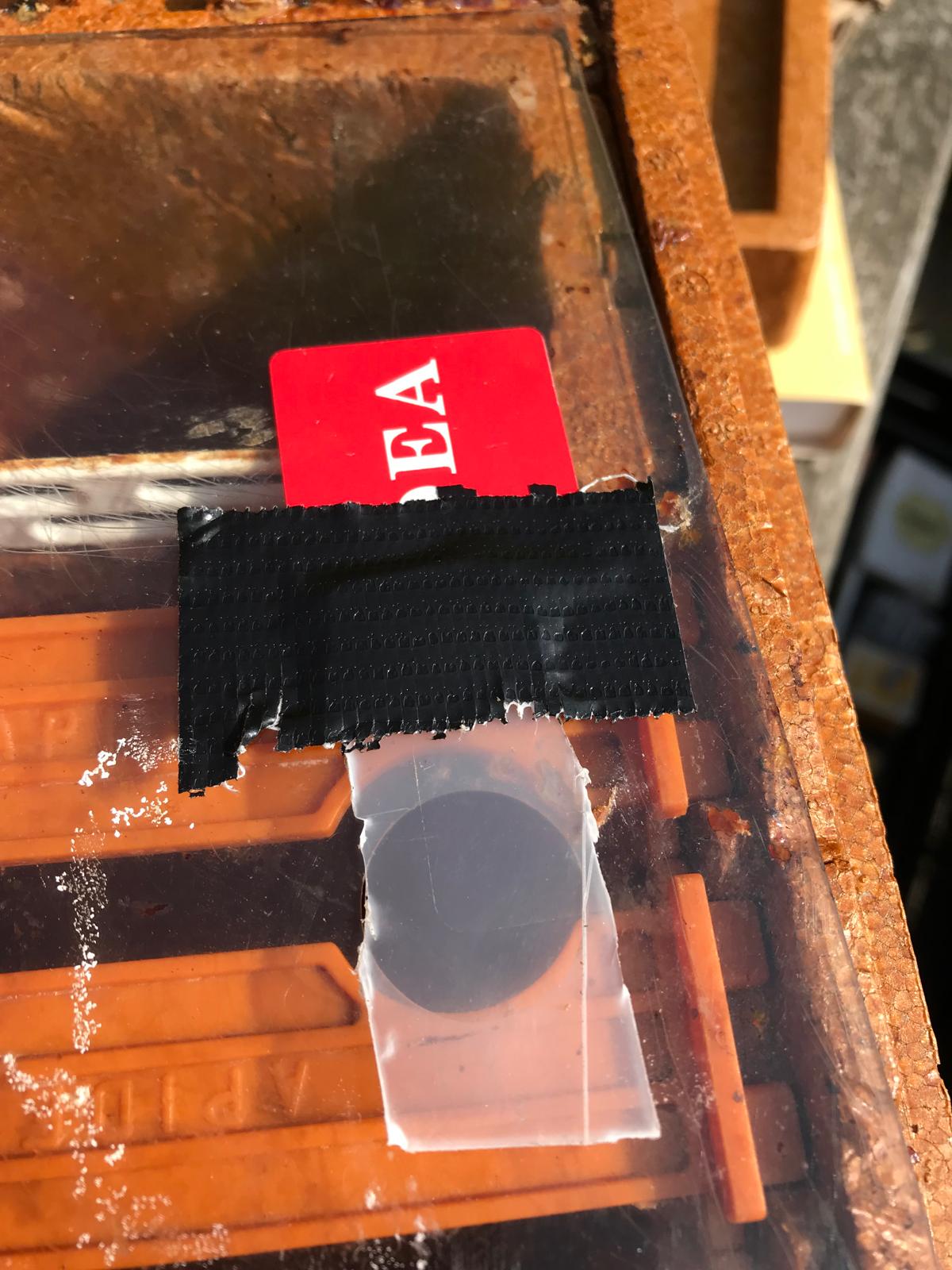
Photo 4: as above

Photo 5: The front door closed. If you try and harvest young bees and the door is open, they just walk out!
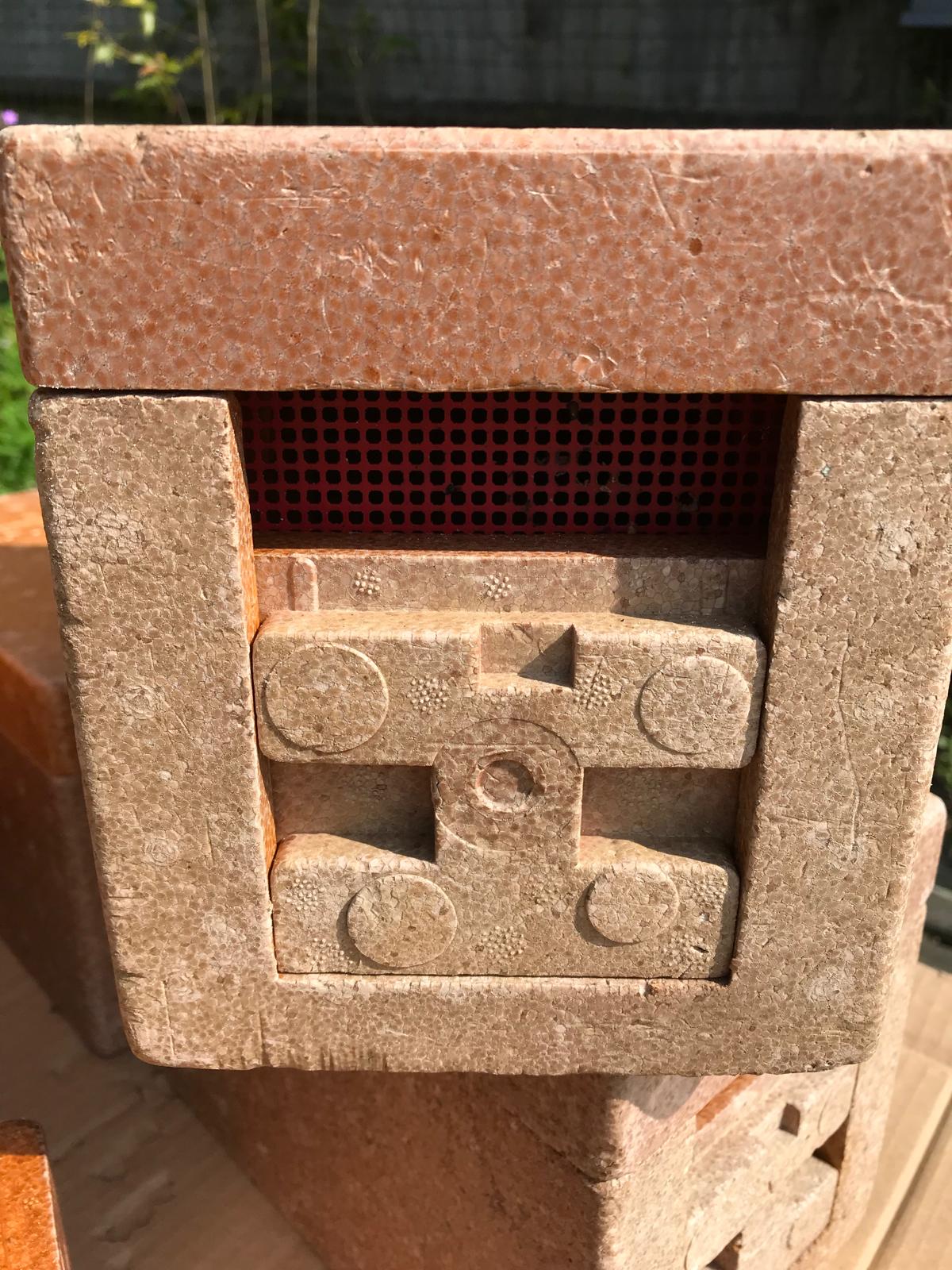
Photo 6: The front door open. It would be a mistake to leave this open when loading up the apidea
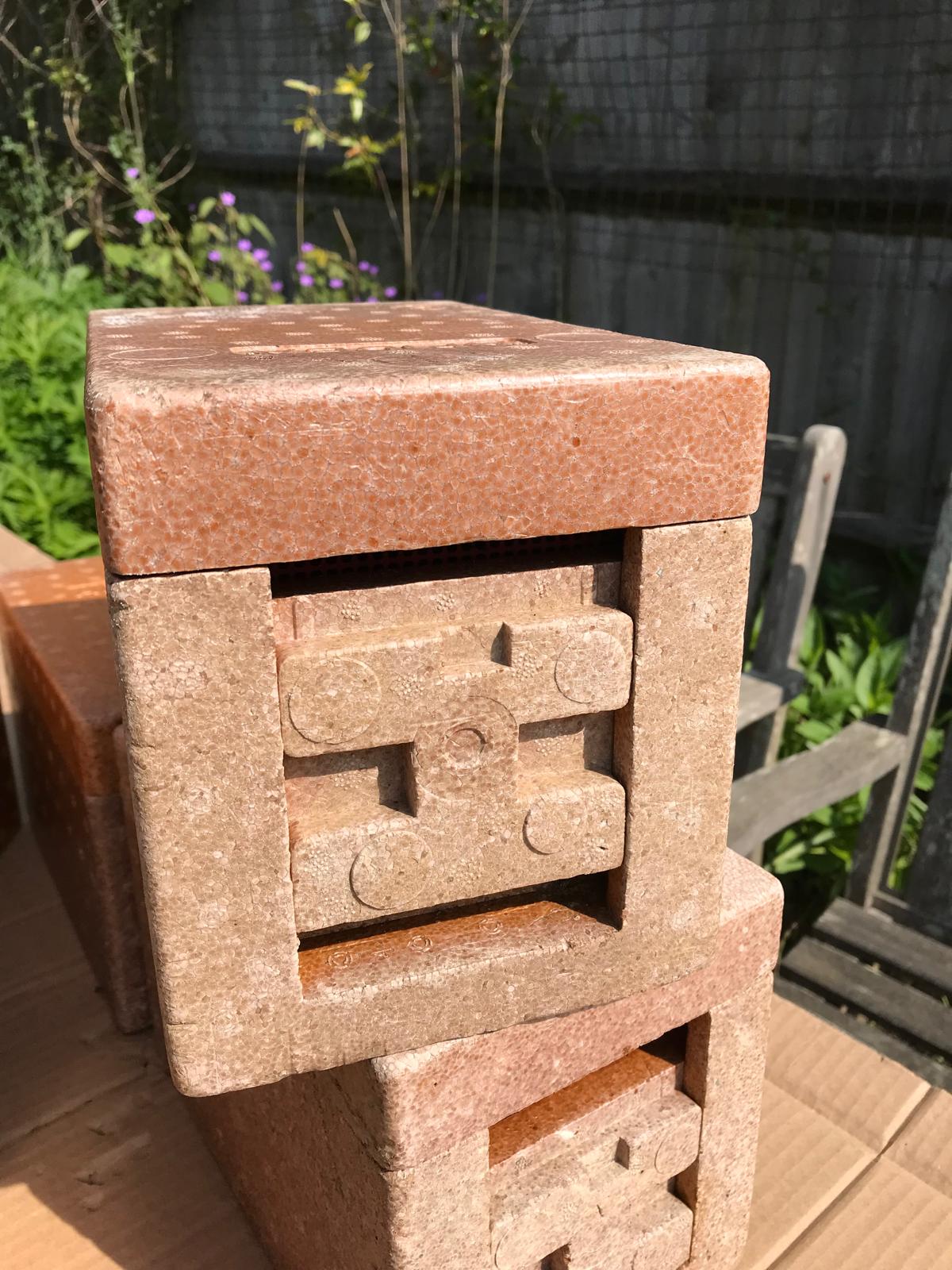
Photo 7: Making up the frames for the apidea
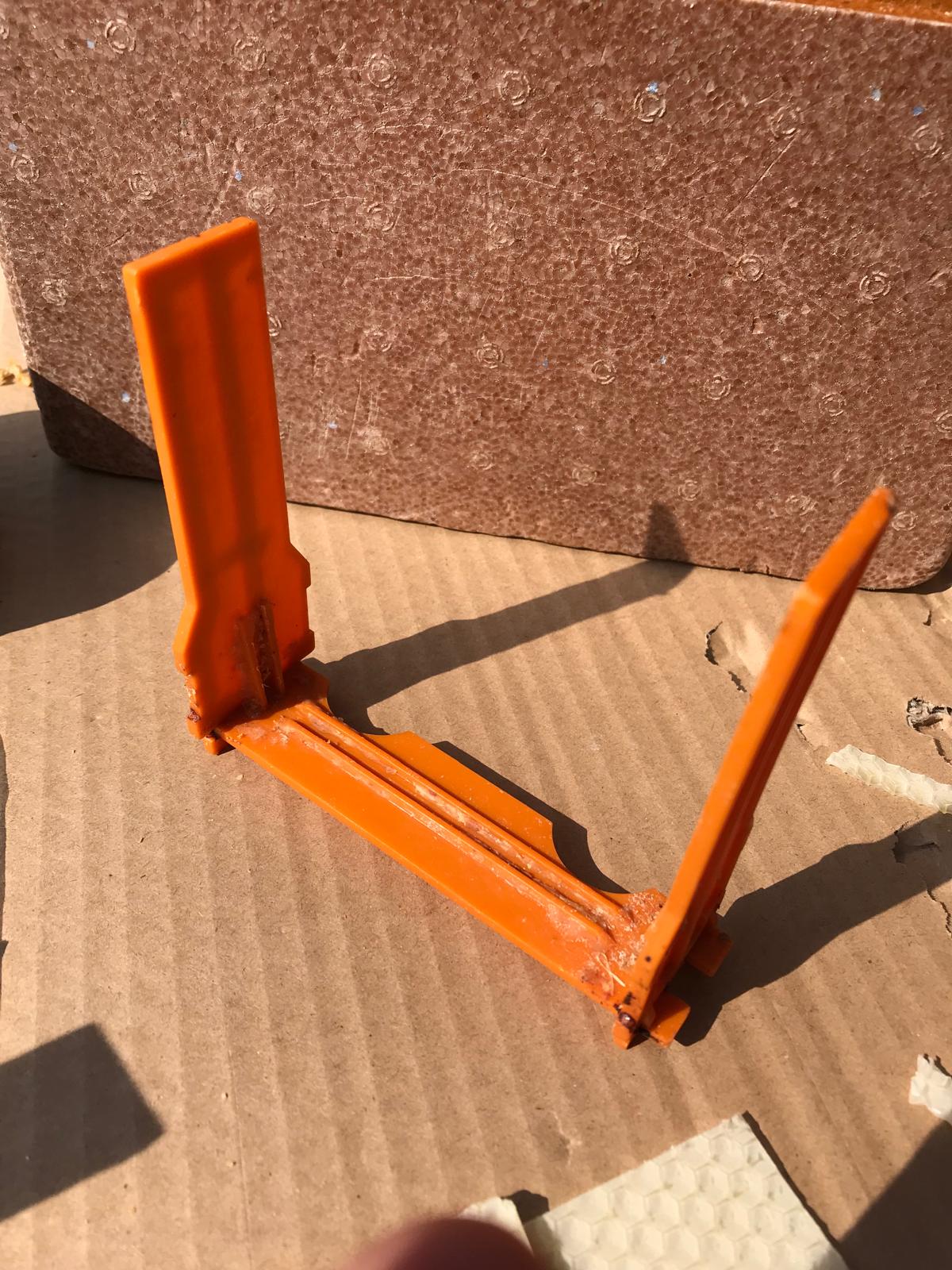
Photo 8: as above
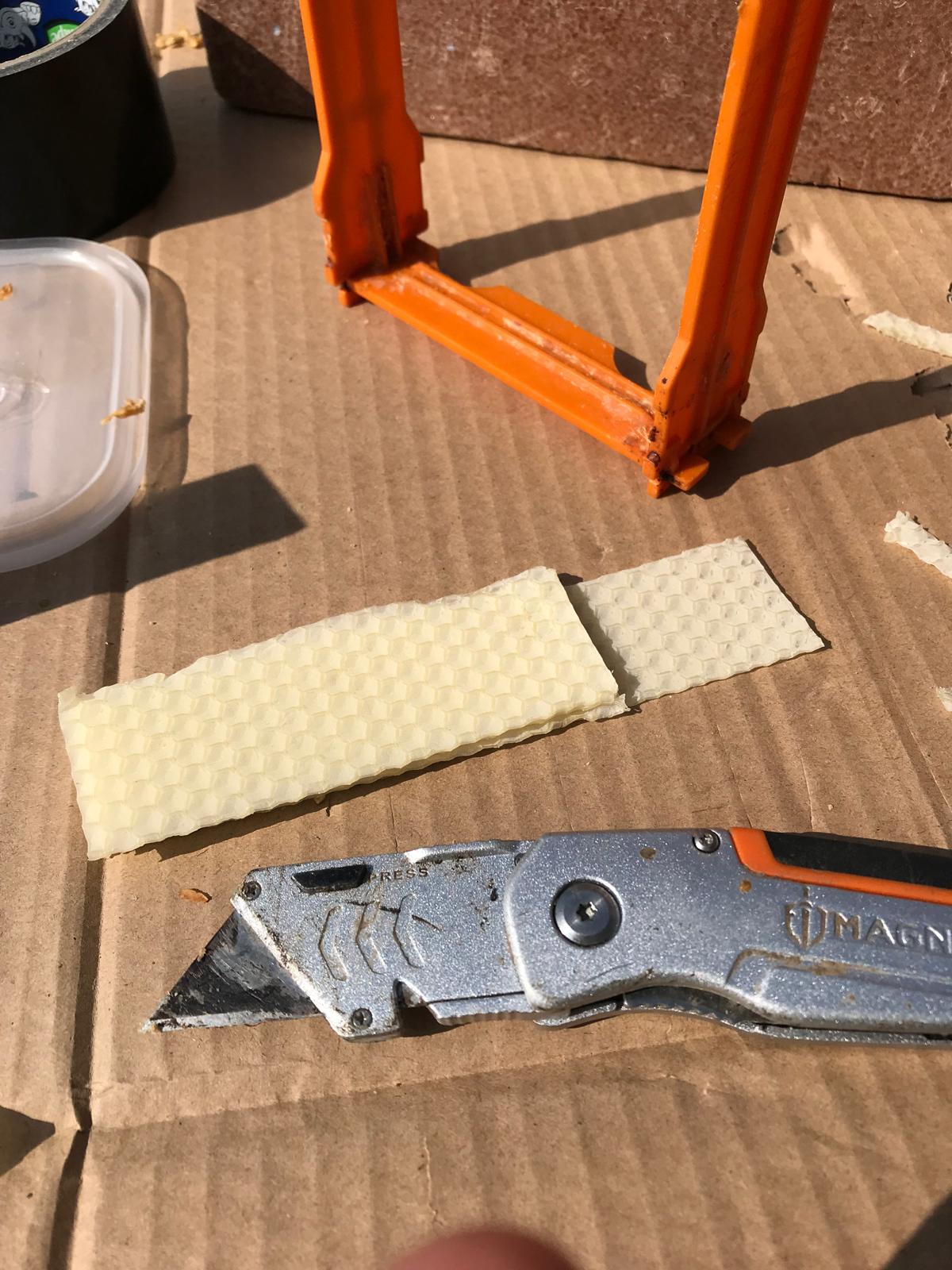
Photo 9: as above

Photo 10: as above

Photo 11: as above
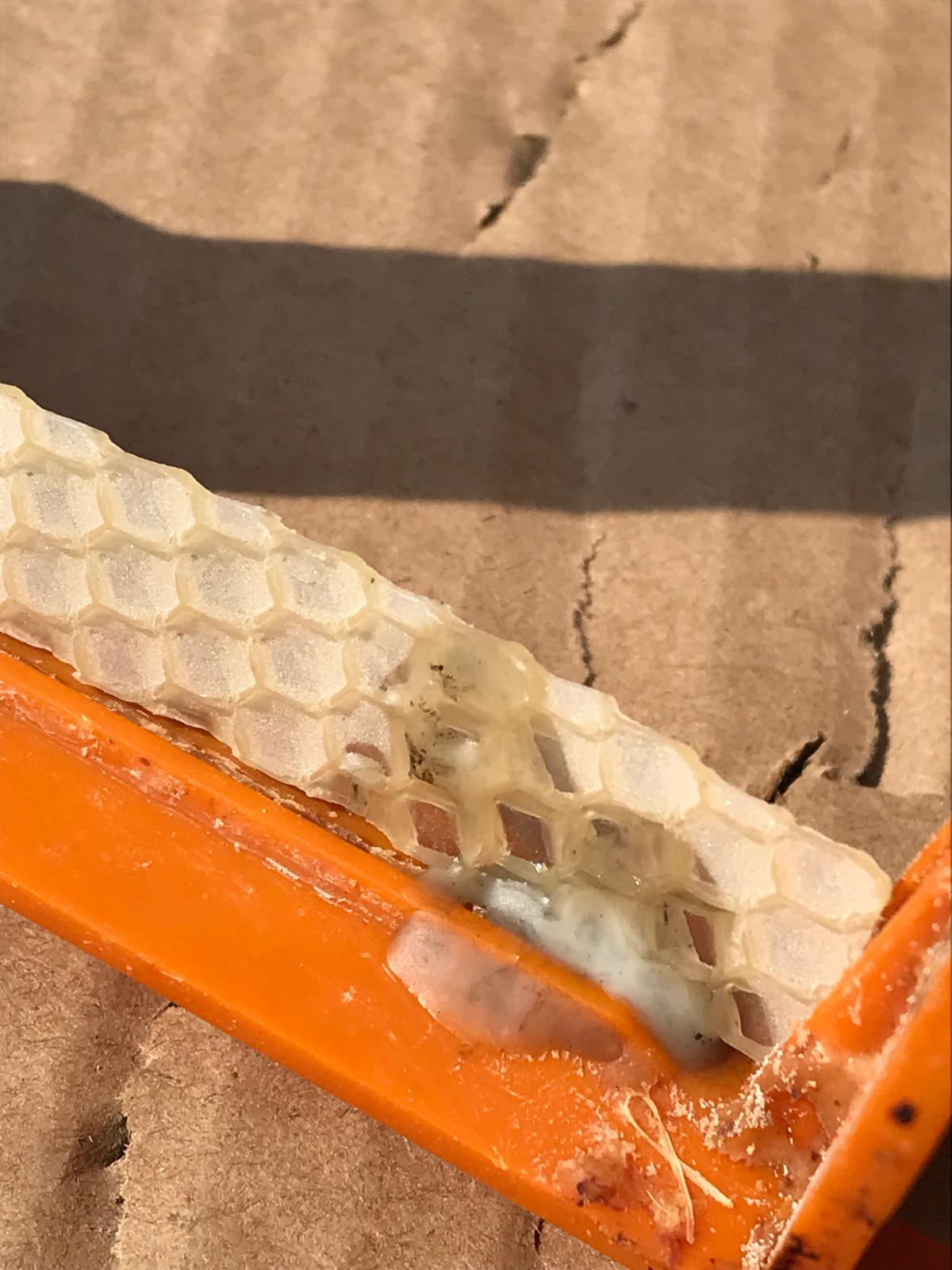
Photo 12: as above

Photo 13: A cheap mating hive. I have made a flap. In this photo the lid is incorrectly aligned
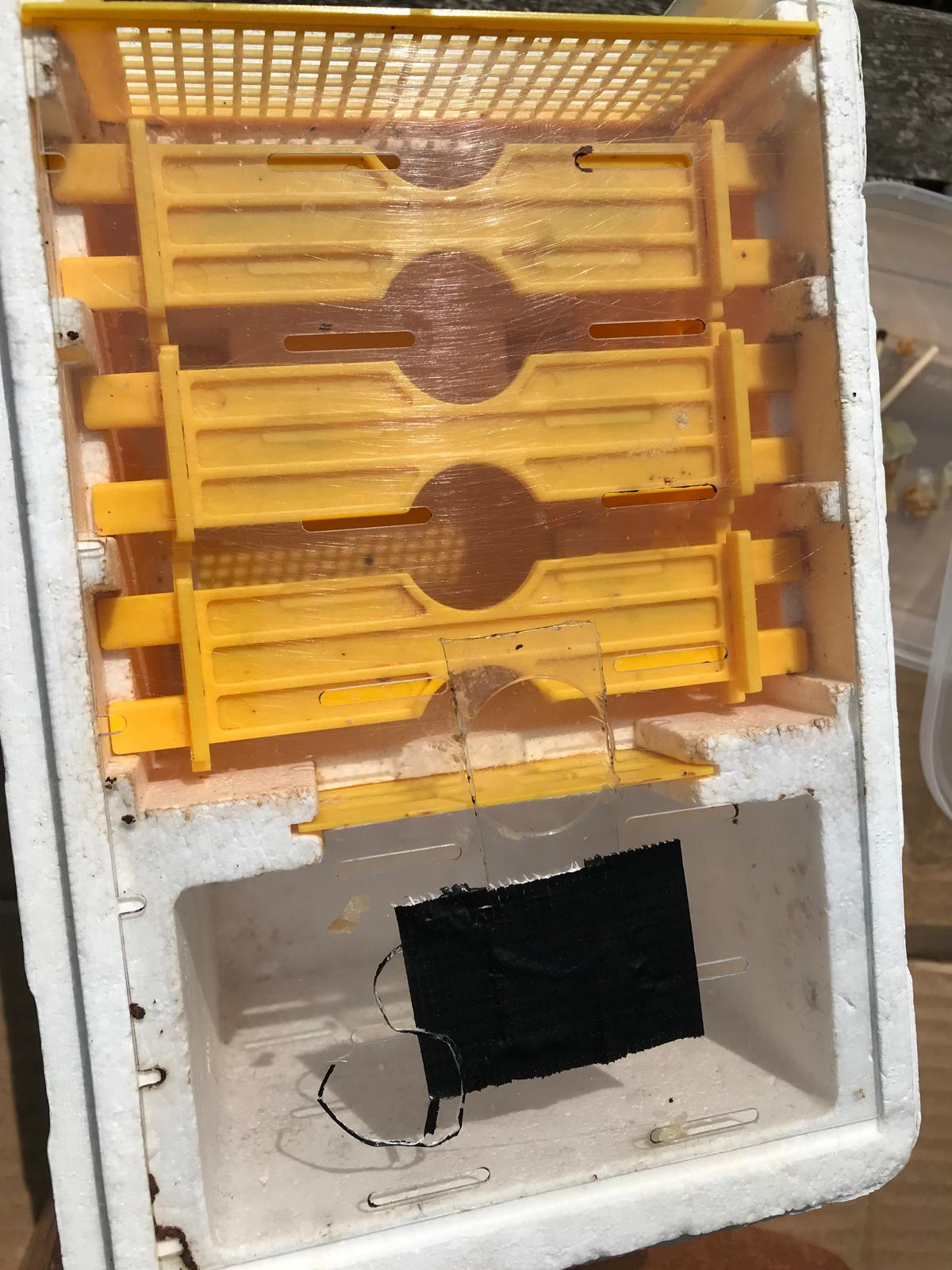
Photo 14: In this photo the lid is correctly aligned
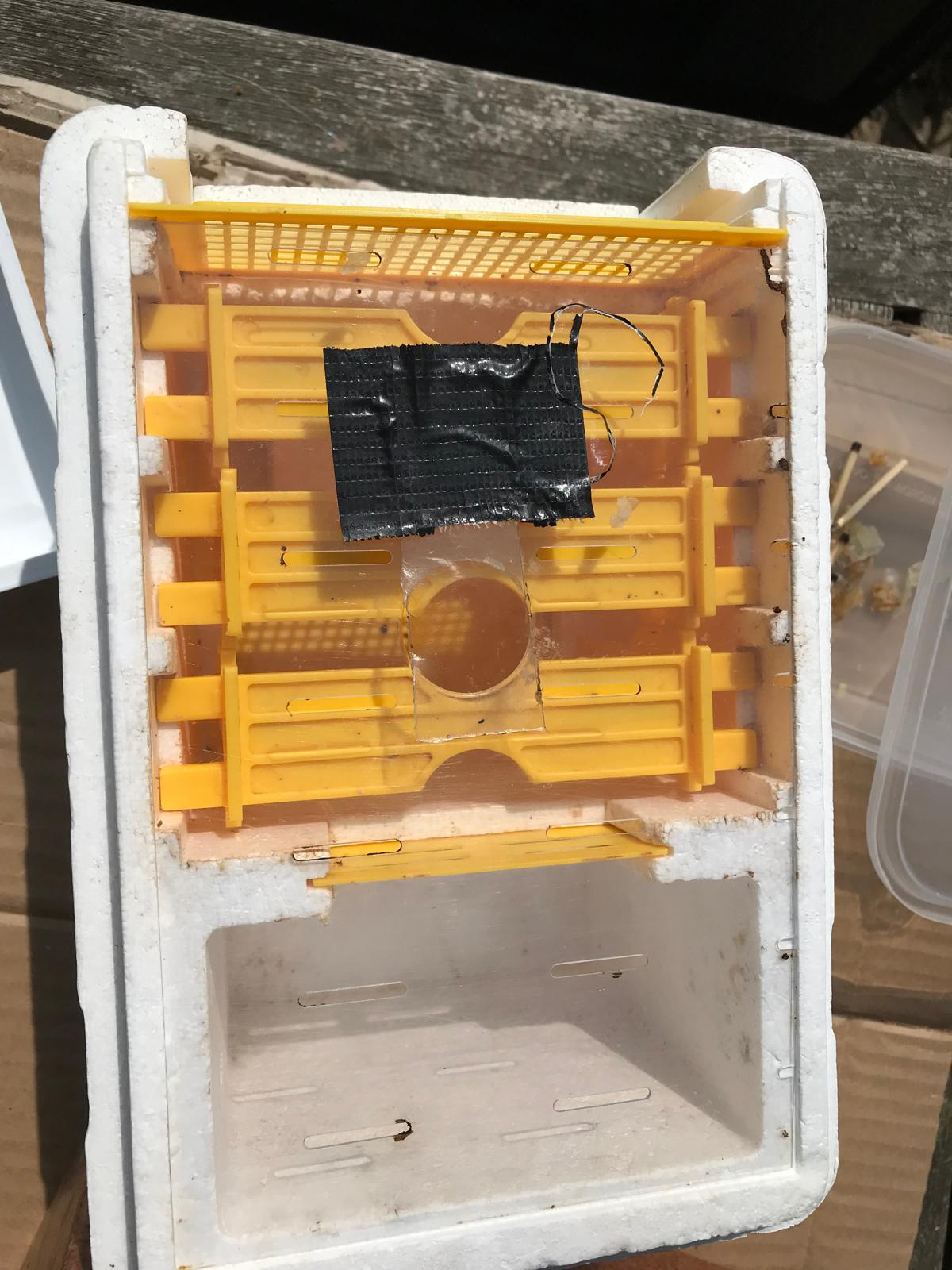
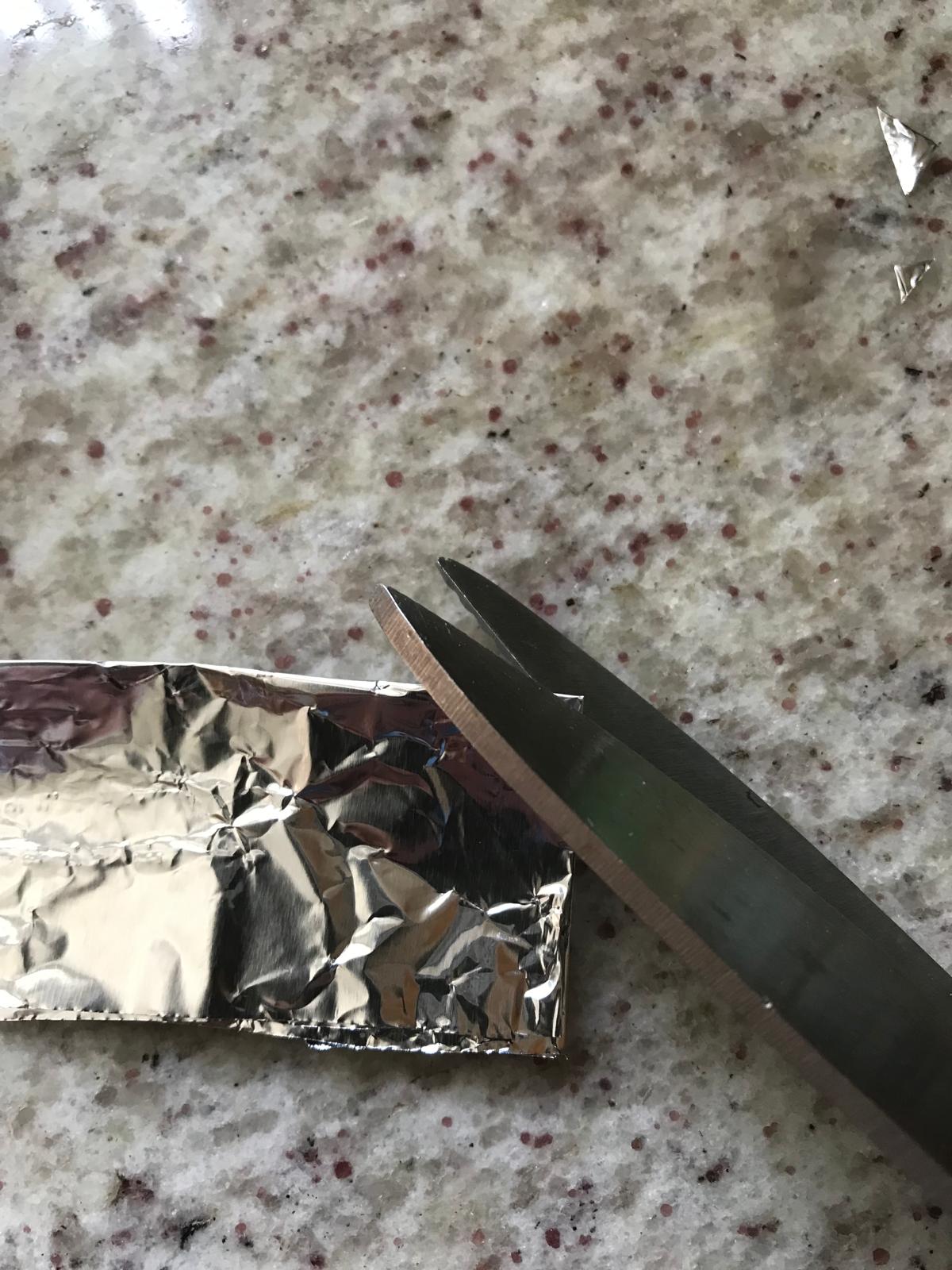
Photo 15: Squares of tin foil cut up so a small hole is revealed - the tip of the Queen cell will protrude through this hole.
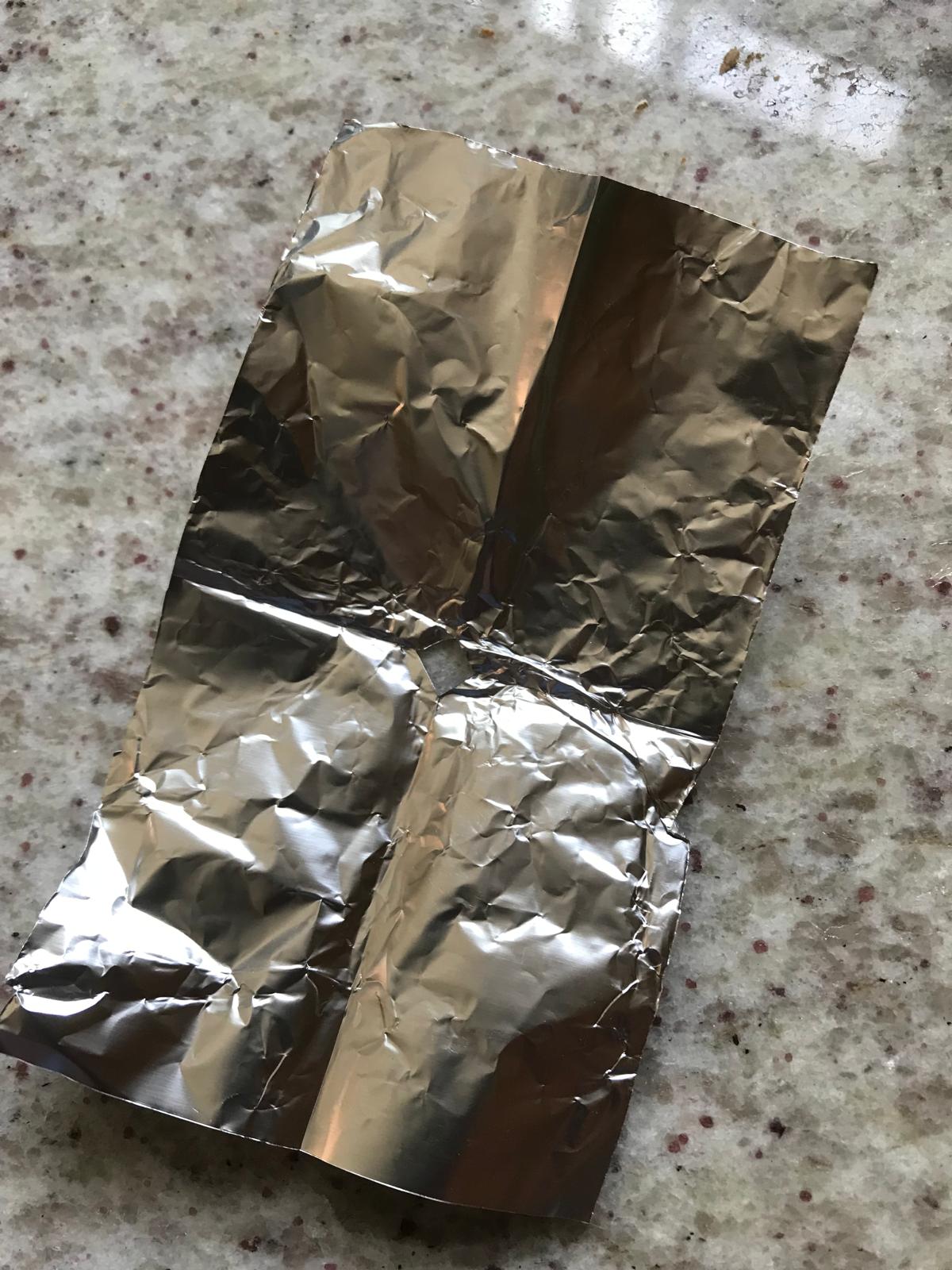
Photo 16: as above
For harvesting young bees I use a large garden trug, a sprayer with water in it and a cup to measure out 300ml of bees. Too few bees and you are wasting your time as the virgin wont go out and mate, too many and the bees consider the mating hive too small and depart with your new virgin Queen to pastures new.
Familiarise yourself with how the apidea fits together. It is loaded up with young bees upside down and you see me doing this on the video. Choose if possible a frame of young bees which will be found on a frame of young larvae as these are the bees feeding the larvae. Be careful though as this may also be the frame where your Queen could be laying eggs. Best if at all possible to place the Queen in a clip
Photo 17: Queen in a Queen clip
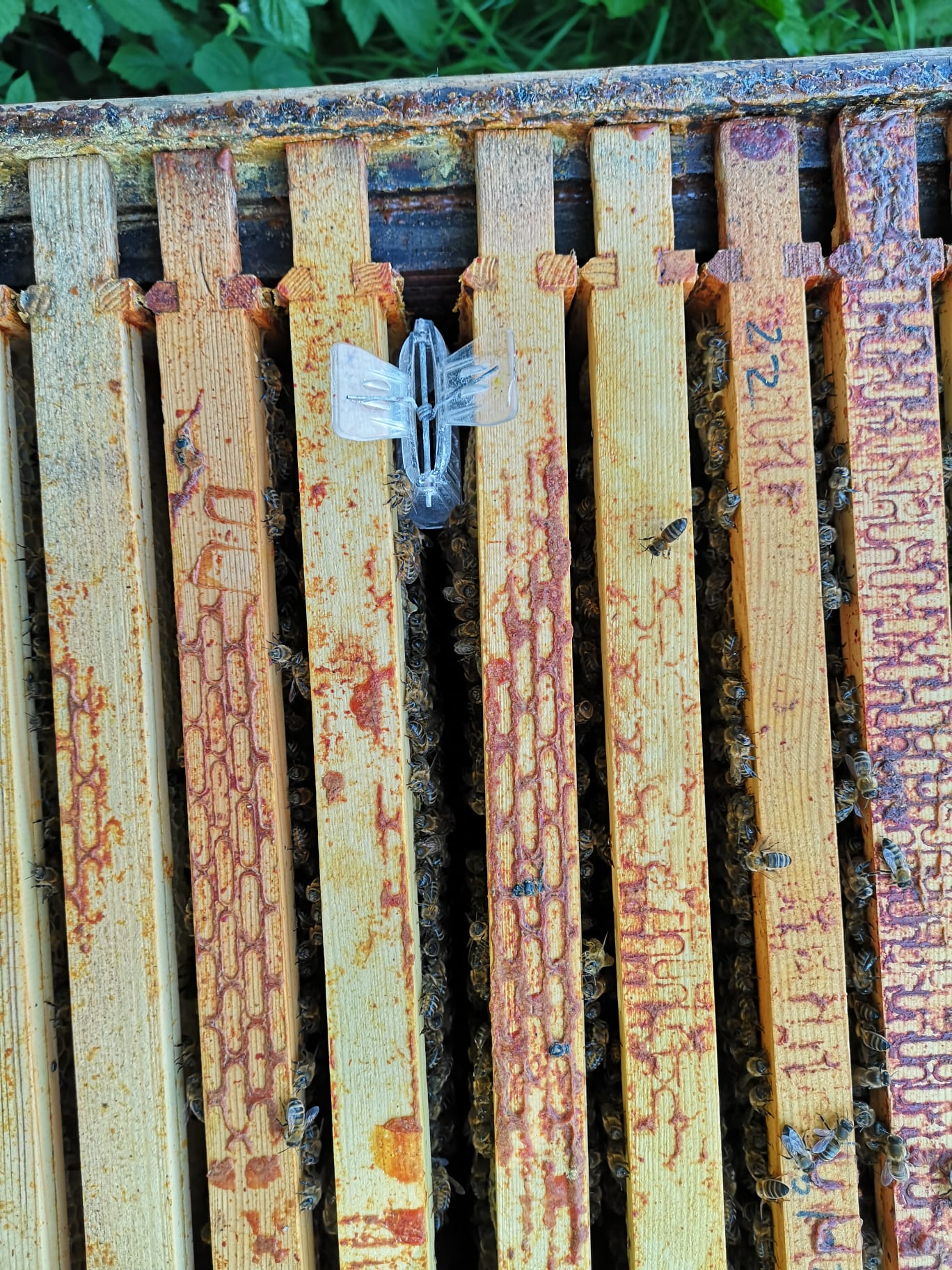
Photo 18: Frame suitable to harvest young bees from as larvae can be seen
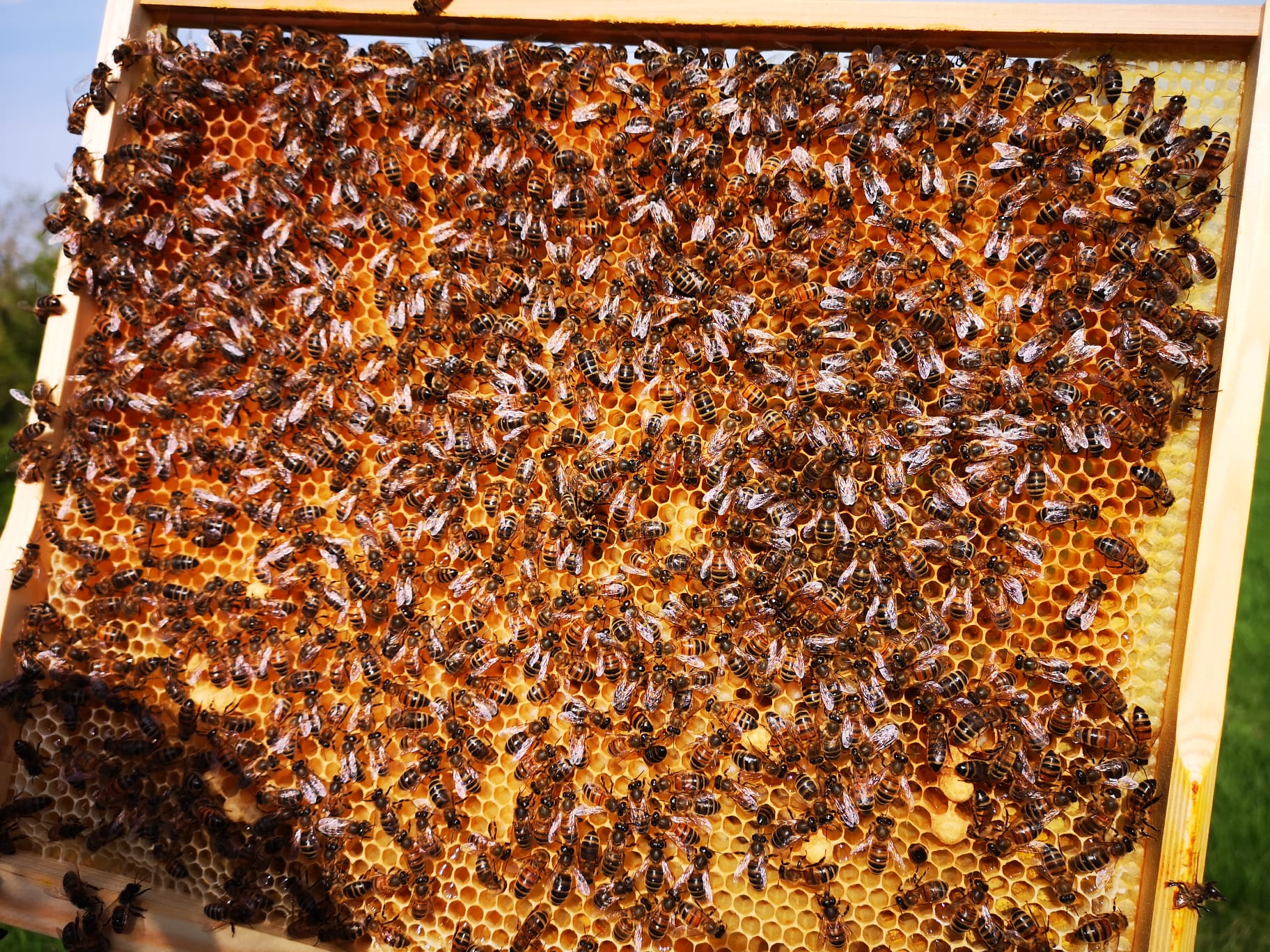
On the particular day these videos were taken there had been a huge nectar flow and so the young bees when shaken into the trug became covered in nectar. This actually made them easier to harvest as they could not easily fly up.
Top tips for loading up apideas
Make sure you know how to close up the floor quickly : cheap mating hives unlike apideas have floors that are more difficult to close so practise without bees first if you are using one of these
Make sure the hole in the lid aligns up properly with the alignment of the frames below
Make sure the front entrance is in the closed position
Use only fondant. You are turning this mating hive upside down and if you use syrup it will go everywhere and probably drown your bees!
Harvest young bees from a frame where you can see larvae. Young bees will live longer and they will have a Herculean task ahead of them to draw out the frames for your new virgin Queen.
Use a large garden trug and a sprayer. If the bees are slightly wet that is good as they will use that moisture to help eat the fondant. Don’t drench them however!
Once you have harvested your cupful of bees, align the mating hives up in a row near the Queen rearing colony as you will be adding cells one at a time to these mating hives.
If you are interested in the process, now look at the following videos taken by Lesley of me harvesting young bees
1 Photo: A frame with larvae thus guaranteeing the harvesting of young bees
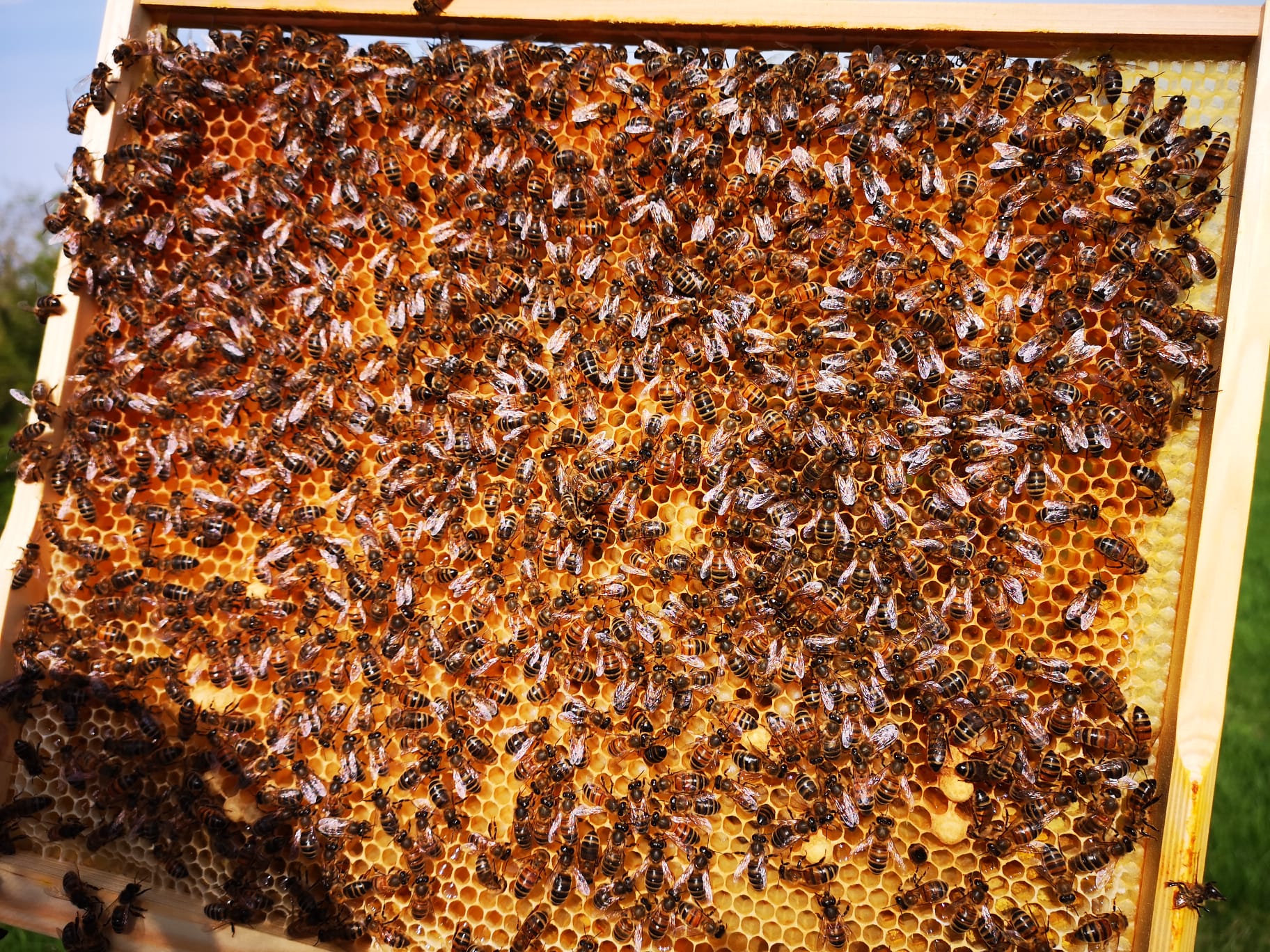
2 Video: Young bees being harvested
3 Photo: Apideas upside down ready to be loaded with young bees
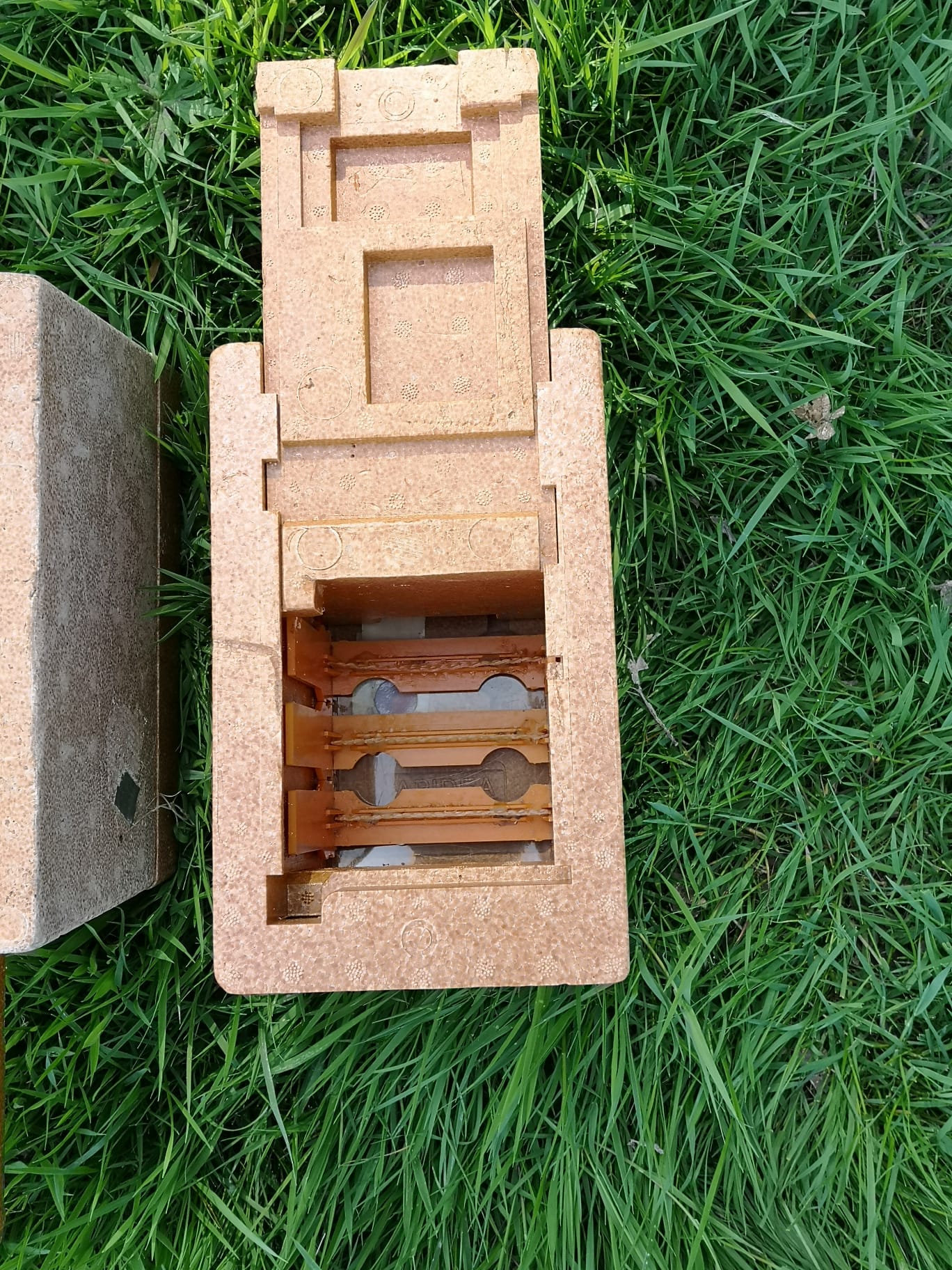
4 Photo: as above

5 Video: Young bees being added to two apideas
6 Photo: Queen in a Queen clip so she is not accidentally added to the apidea

7 Video: Young bees not being used are returned to the hive
The harvesting of Queen cells
For my set up I used an empty 14x12 brood box to decant frames into as I searched for the Queen cells that the bees had made for me. I try and be as gentle as possible. I use a sharp Stanley knife to cut out the cells and I protect the cells with foil. I don’t harvest young bees from this colony as I feel the whole procedure is invasive enough for this particular colony.
Top tips for harvesting cells
- Try and avoid long elongated Queen cells
- Cut deep around a chosen Queen cell : you have to dig into other brood to properly harvest these emergency cells.
- Use smoke to clear the bees away from the cell you are working on
- Some emergency cells can look small but they contain large Queens as the cell goes back into the frame.
- Try and be organised and systematic. I struggle with this and you see me replace back into the hive a frame with a Queen cell which I then later have to go and pull out again.
- Work gently and slowly
- Have everything you need within easy reach
- Work as a team
Now look at all the videos below.
1 Video: Explanation of what I am going to do
2 Video: Searching for Queen cells by decanting the frames into another empty brood box
3 Video: Queen cells being harvested from a frame
4 Video: Harvesting a long thin Queen cell from the frame and a shorter one at the bottom of the frame. Foil is used to protect the cell
5 Video: 2 cells being harvested
6 Video: A frame of brood and eggs from another colony being added. Reassembling the hive ; bees had been shaken off all the frames to ensure no Queen cells had been missed
I advise you to only attempt something so invasive to the bees if you have the help of at least one other person. The last video shows the bees all over the hive after frames have been shaken. These manipulations are not for the faint hearted. Everyone says they would like to do Queen rearing but it is an invasive process. I do it as I want several Queens from one particular colony. My out apiary is on a ridge and windy (you can hear that) and often any new Queens don’t get well mated so I like to have options. If mated from our garden in St Leonard’s the Queens are usually gentle and prolific. There is nothing to stop you taking some of the lessons from the text and photos and videos below and harvesting a couple of Queen cells from your own hives when doing swarm control. Bees harvested from the same colony as the one from which the Queen cell comes, do not need the cell protected although using tin foil does help to easily wedge the cell into the mating hive and so I would recommend using a square of tin foil for that reason alone.
As with anything in beekeeping adapt what I have done for your own purposes. If you manage to get your head round what is required to make spare Queens, it will improve your beekeeping and understanding. And if you have raised a Queen yourself from a deliberate choice you have made, that feels good. However, once you have got your mated Queen then there is the further challenge of how to introduce her to a nucleus of bees as these small mating hives are only a staging post. They are to get a Queen mated and cannot be used to grow into a colony. My next email will look at the success of the mating hives - whether the Queen cells hatched and how successful the Queens were in getting mated.